How Much Can You Save with Solar on the Sunshine Coast?
Considering a solar system on the Sunshine Coast? With electricity prices changing and energy usage increasing across many homes, more people are asking what solar can realistically deliver in terms of savings.
The answer is rarely a single number. Savings depend on how much electricity a household uses, when that energy is consumed and how the system is designed to suit the property. By breaking down costs, usage patterns and long-term value, homeowners can get a clearer picture of whether solar is a worthwhile investment for their situation.
What Actually Drives Household Electricity Costs
Understanding potential solar savings starts with understanding how electricity is used within the home. Power bills are shaped by a combination of appliance use, household size and daily routines. Some appliances draw small amounts of power continuously, while others consume large amounts in short bursts.
Common contributors to higher electricity usage include:
- Heating and cooling systems
- Electric hot water units
- Ovens, cooktops and laundry appliances
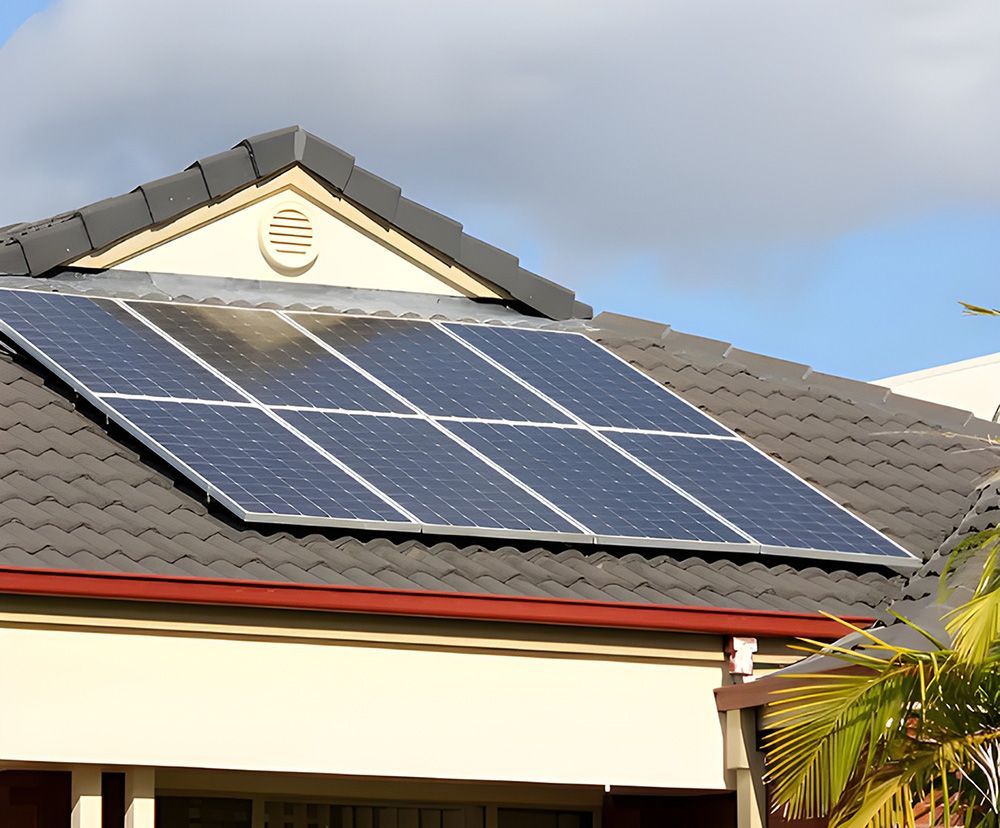
Solar helps offset these costs by generating electricity during daylight hours, reducing reliance on grid power at times when usage is highest. The closer solar generation aligns with usage, the greater the potential savings.
Matching Solar System Size to Real Usage
Solar systems are not one-size-fits-all. Choosing a system based purely on maximum output can lead to missed opportunities or unnecessary expense. A well-matched system focuses on how electricity is actually used within the household.
Key factors considered when sizing a system include:
- Number of occupants and daily routines
- Daytime versus evening power use
- Roof orientation, pitch and available space
When a system is sized to match usage rather than excess capacity, it tends to deliver more consistent value over time. This approach supports realistic savings rather than inflated expectations.
How Daytime Energy Use Impacts Savings
Solar panels generate electricity during daylight hours, which means savings are closely linked to when power is used. Homes that use more energy during the day often see greater reductions in grid electricity consumption.
Daytime energy use often comes from:
- Home offices and electronic devices
- Pool pumps and filtration systems
- Air conditioning and ventilation
Shifting certain tasks to daylight hours, such as running dishwashers or washing machines, can increase the amount of solar energy used in the home. These small adjustments can influence overall savings over time.
Understanding Feed-In Tariffs Without Overestimating Them
Excess electricity generated by a solar system can be exported back to the grid. In return, households may receive a credit on their electricity bill. While helpful, feed-in tariffs tend to play a supporting role rather than being the main source of savings.
Important considerations include:
- Feed-in rates offered by electricity retailers
- How much excess energy is exported
- Changes to tariffs over time
Feed-in credits can help offset bills, but the most reliable savings usually come from using solar energy within the home rather than exporting it.
Upfront Costs, Rebates & Payback Periods
One of the most common questions around solar is how long it takes for a system to pay for itself. The answer varies depending on installation costs, energy usage and available incentives.
Factors that influence payback periods include:
- Initial system cost after rebates
- Average annual reduction in electricity bills
- Changes in energy prices over time
Rather than focusing on a fixed timeframe, many homeowners find it more useful to look at how savings accumulate gradually year by year. This longer-term view often provides a clearer sense of value.
Maintenance & Lifespan Considerations
Solar systems are generally low maintenance, but performance still benefits from periodic checks. Dust, debris and component wear can all influence output over time if left unaddressed.
Ongoing considerations may include:
- Occasional cleaning of panels
- Monitoring inverter performance
- Electrical inspections as part of general home maintenance
A system that continues operating efficiently is more likely to deliver steady savings across its lifespan. Factoring maintenance into expectations supports a more realistic assessment of long-term returns.
How Lifestyle Choices Shape Long-Term Outcomes
Two households with identical solar systems can experience very different savings based on how electricity is used. Lifestyle factors play a significant role in shaping outcomes.
Changes that may improve solar value include:
- Running major appliances during daylight hours
- Adjusting cooling habits to align with solar generation
- Being mindful of overnight energy use
For many households, savings improve gradually as routines adapt. This flexibility allows solar to integrate naturally into daily life rather than requiring major behavioural shifts.
Weighing Up Whether Solar Makes Sense for Your Home
Solar works best when it aligns with both the physical property and the household’s long-term plans. Roof condition, orientation and future renovations all influence whether installing solar now is the right move.
Questions worth considering include:
- How long you plan to stay in the home
- Whether roof upgrades are planned
- How household energy needs may change
For homeowners considering a solar system on the Sunshine Coast, taking the time to assess personal circumstances helps ensure solar supports broader financial and lifestyle goals rather than becoming a rushed decision.
The Electrician’s Role in Solar Planning
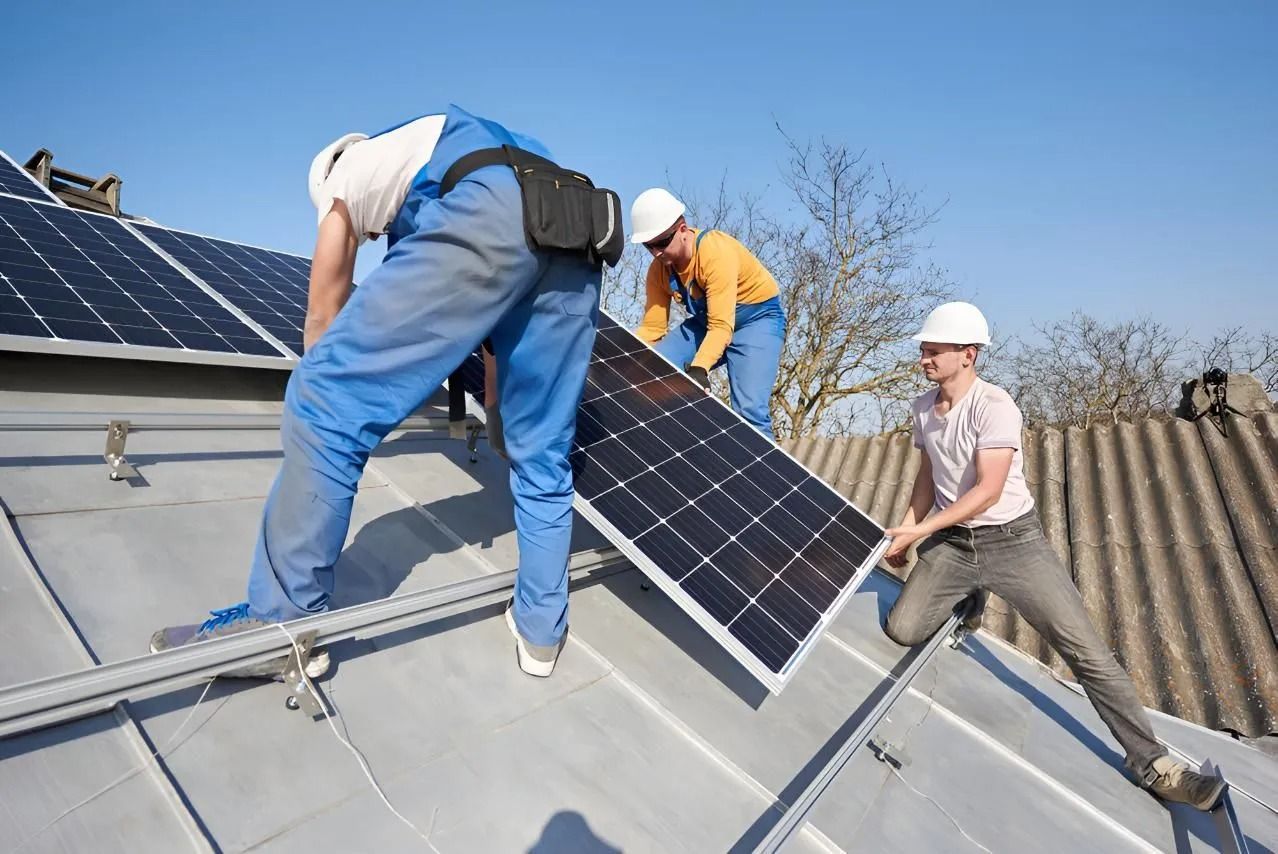
Solar installation is not just about panels. Electrical design, safety compliance and system integration play a major role in how effectively a system performs.
An electrician’s involvement typically includes:
- Assessing existing electrical infrastructure
- Ensuring safe connection to the switchboard
- Verifying system performance after installation
Proper electrical planning supports both system safety and long-term reliability, contributing to consistent savings.
Thinking Beyond the First Few Years
Solar savings rarely peak immediately. Instead, they build over time as electricity prices change and households become more familiar with how their system performs.
Long-term considerations often include:
- Rising grid electricity costs
- Gradual lifestyle adjustments
- Ongoing system performance
If you’re looking at solar systems on the Sunshine Coast, it helps to think beyond the first year or two, as savings tend to build gradually over time.
At Robbie McDonald Electrical, we help homeowners across the Sunshine Coast understand how solar fits into their property, energy usage and long-term plans. Local climate conditions, roof design and household habits all influence how a system performs in this region. If you are considering solar and want clear, practical guidance on system sizing, installation and expected savings, visit https://www.robbiemcdonaldelectrical.com.au/ to speak with our team.