How To Reduce Your Carbon Footprint With Solar Power On The Sunshine Coast
The morning sun hits your roof long before most of the household is awake. By the time the kettle boils and the air conditioning hums into life, energy is already being drawn from the grid, often generated by fossil fuels far from your home. For many households, that daily routine quietly adds to a growing environmental cost. Choosing solar systems is one of the most practical ways to reduce that impact while reshaping the way your home consumes power. As energy prices continue to shift and conversations around sustainability become more urgent, homeowners are looking for solutions that are both responsible and financially sound. Solar power offers a direct path to cutting emissions, lowering electricity bills and building long-term resilience. Understanding how it works begins with understanding your carbon footprint and how your home’s energy use contributes to it.
What Your Carbon Footprint Really Means
Every home leaves an environmental trace, largely through the energy it consumes. A carbon footprint measures the total greenhouse gas emissions generated by your activities, particularly electricity use, heating, cooling and transport. For most households, grid electricity is a major contributor. Traditional power generation relies heavily on coal and gas, releasing carbon dioxide into the atmosphere. Even everyday habits, like running appliances overnight or keeping the air conditioning on during hot spells, compound over time.
Common household contributors include:
- Air conditioning & electric heating
- Hot water systems
- Kitchen appliances & refrigeration
- Lighting & standby electronics
By identifying electricity as a significant source of emissions, it becomes clear why switching to renewable generation is such an effective way to reduce your overall footprint.
The Direct Link Between Solar Power & Lower Emissions
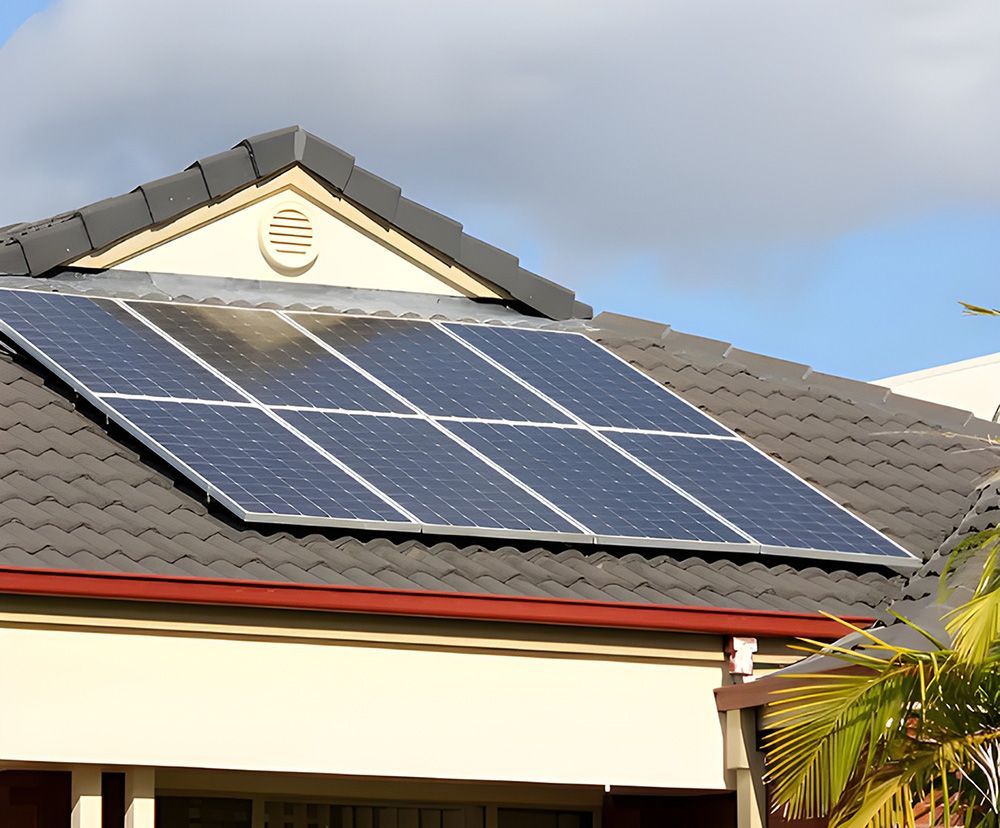
Installing solar is not just an environmental gesture, it is a structural change in how your home sources energy. Solar panels convert sunlight into usable electricity without burning fuel, which means no direct carbon emissions during operation. Once installed, your system generates clean energy every day. Each kilowatt-hour produced onsite reduces the amount of electricity drawn from fossil fuel-based grids, cutting associated emissions immediately.
The environmental benefits include:
- Reduced reliance on coal & gas-fired power
- Lower demand on centralised power stations
- Decreased transmission losses across the grid
- Long-term renewable energy generation over decades
Over the lifespan of a well-designed system, these reductions add up significantly. Solar becomes a practical, measurable step towards sustainable living.
Why Solar Systems On The Sunshine Coast Make Sense
Solar performance depends heavily on available sunlight. With consistent sunshine throughout much of the year, local conditions are well suited to strong solar generation. Reliable solar exposure means panels can consistently produce energy across seasons. Even during cloud cover, modern systems are capable of capturing diffuse light and maintaining output.
Key advantages of installing solar systems on the Sunshine Coast include:
- Strong annual solar yield
- Predictable generation patterns
- Efficient use of rooftop space
- Compatibility with battery storage
When systems are tailored to your roof orientation and household demand, they deliver both environmental and financial returns with dependable performance.
Turning Environmental Action Into Financial Savings
Reducing emissions is important, but long-term affordability often drives the final decision. Solar power directly reduces the amount of electricity you purchase from retailers, leading to lower quarterly bills. Instead of being fully exposed to fluctuating tariffs, households with solar offset a significant portion of their daily usage. In some cases, surplus energy exported back to the grid can earn credits.
Financial benefits typically include:
- Noticeable reductions in electricity bills
- Greater protection against rising energy costs
- Improved property appeal to future buyers
- Long-term return on investment
Over time, the savings can outweigh installation costs, allowing homeowners to enjoy cleaner energy while strengthening their financial position.
Supporting Sustainable Living Goals At Home
For households committed to sustainable living, solar is a practical foundation. It aligns with other environmentally conscious choices, such as energy-efficient appliances, electric vehicles and water-saving systems. Generating your own power reinforces the idea that sustainability does not require drastic lifestyle changes. Instead, it becomes part of everyday living, quietly reducing impact in the background.
Solar systems can support:
- Electric vehicle charging from renewable power
- Energy-efficient home upgrades
- Smarter energy management through monitoring systems
- Reduced household reliance on fossil fuels
By integrating solar into your broader sustainability strategy, you create a home that reflects both environmental values and long-term planning.
Battery Storage & Greater Energy Independence
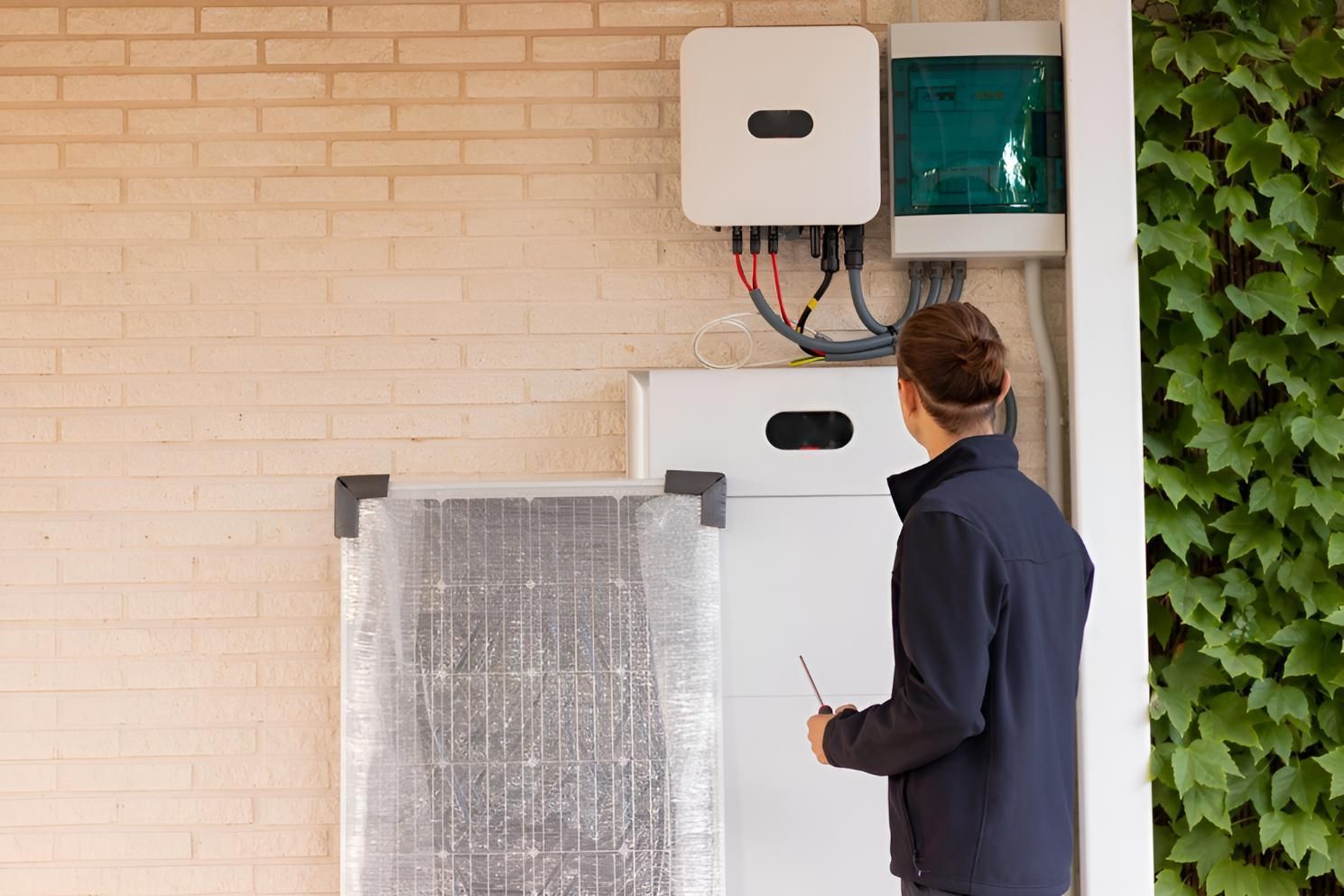
While solar panels generate energy during the day, many households use more electricity in the evening. Battery storage systems address this gap by storing excess daytime production for later use. Adding a battery allows you to increase the proportion of renewable energy consumed within your home. Instead of exporting surplus power and purchasing electricity at night, stored energy can meet evening demand.
Benefits of battery integration include:
- Increased self-sufficiency
- Lower reliance on grid electricity
- Reduced exposure to peak tariffs
- Backup power during outages
When paired with solar systems on the Sunshine Coast, batteries enhance both environmental impact and financial control.
The Broader Community Impact Of Residential Solar
Individual choices collectively shape wider environmental outcomes. As more households adopt solar, overall demand for fossil fuel-based electricity decreases. Distributed energy generation reduces strain on infrastructure and encourages further investment in renewable technologies. It also supports a cleaner energy mix at a regional level.
Community-wide benefits include:
- Lower overall emissions
- Improved air quality
- Strengthened energy resilience
- Greater awareness of sustainable practices
Each installation contributes to a broader shift towards responsible energy use, proving that household decisions can influence meaningful change.
A Long-Term Investment In Your Home’s Future
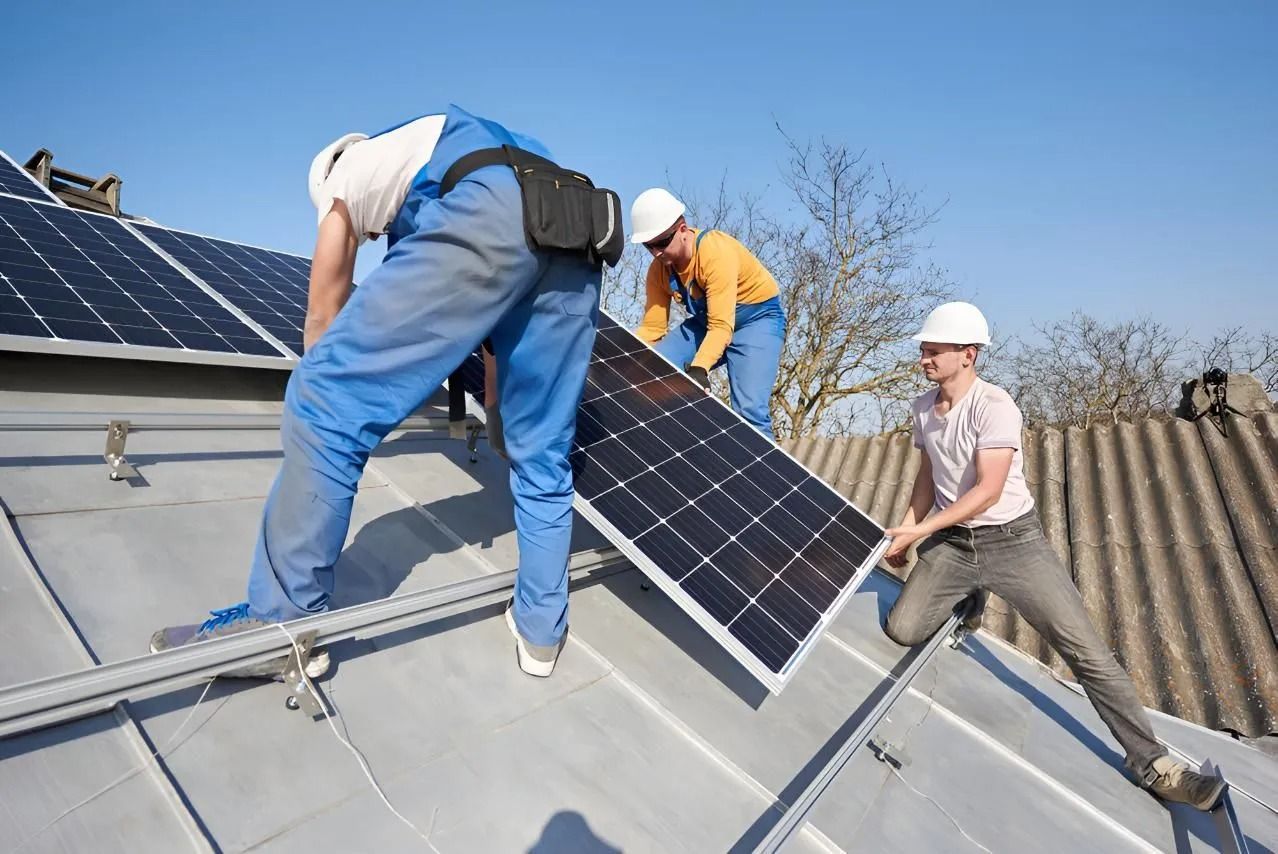
Solar is not a short-term trend. With quality components and professional installation, systems are designed to operate efficiently for decades. Beyond environmental benefits, solar enhances the long-term value and performance of your property. It positions your home to adapt to evolving energy markets and sustainability expectations.
Long-term advantages include:
- Durable system lifespan
- Reduced ongoing energy costs
- Adaptability for future upgrades
- Greater control over household energy use
By investing in renewable generation today, homeowners prepare for a future where sustainability and financial stability are closely linked.
Take Control Of Your Energy Future
We at Robbie McDonald Electrical help homeowners make the transition to solar with carefully designed solar systems on the Sunshine Coast that deliver both environmental and financial benefits. If you are ready to reduce your carbon footprint and take control of your energy costs, contact us to discuss your options or book a consultation today.