How To Maintain Your Solar System For Long-Term Saving
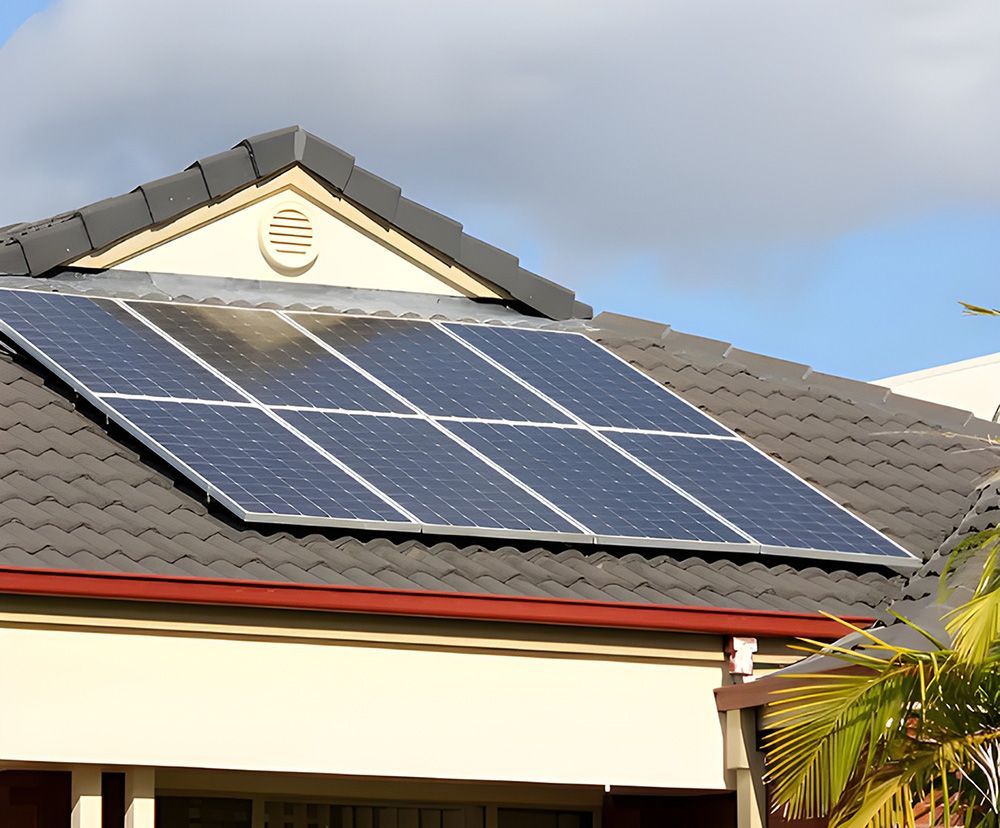
A solar system is one of the more significant investments a homeowner can make, but the return on that investment depends on more than just the quality of the panels. Many homeowners with solar systems on the Sunshine Coast install their system, watch the bills drop and then largely forget about it. That approach works until it doesn't. Panels collect grime, wiring degrades, inverters age and small inefficiencies quietly accumulate. Proper maintenance is what keeps a solar systems on the Sunshine Coast performing as they should, year after year, without nasty surprises on your energy bill or unexpected repair costs down the track.
Why Regular Solar Maintenance Actually Matters
Skipping maintenance on a solar system is a bit like skipping oil changes on a car. Everything seems fine until something fails, and by that point, the damage is often more expensive than routine upkeep ever would have been. Solar panels are rated to last 25 years or more, but that lifespan assumes a reasonable level of care. Efficiency losses from dirty panels, loose connections or a partially failing inverter can compound over time without being immediately obvious.
Here is what neglect typically leads to:
- Reduced energy output that goes unnoticed without monitoring
- Inverter faults that develop slowly before causing a full failure
- Panel degradation accelerated by soiling and poor airflow
- Warranty claims being complicated by a lack of documented maintenance
How Often You Should Inspect Your System
There is no single inspection schedule that suits every home, but a general rule used in the industry is a professional check every one to two years, with homeowner visual inspections more regularly.
Systems in areas with heavy tree coverage, nearby construction or dusty conditions may need attention more frequently. Getting into a routine early makes it far easier to spot changes when they do occur.
A sensible inspection cadence looks like this:
- Visual check of panels every few months for obvious soiling, bird nesting or physical damage
- Monthly review of inverter performance data to catch output drops early
- Professional electrical inspection every one to two years
- Full system performance review aligned with any changes in household energy use
Cleaning Panels the Right Way
Panel cleaning sounds straightforward, but doing it incorrectly can cause more harm than good. Abrasive materials scratch the anti-reflective coating on panels, which reduces light absorption over time. High-pressure water can force moisture into junction boxes or loosen mounting hardware. Most manufacturers recommend soft brushes or microfibre cloths with low-pressure water, applied carefully and without detergents that leave residue.
Safe and effective cleaning involves:
- Cleaning in the early morning or late afternoon to avoid thermal shock on warm panels
- Using deionised or filtered water where possible to prevent mineral deposits
- Never applying significant weight to panels or walking on any part of the array
- Calling a professional if panels are difficult to access safely from ground level
What Your Inverter Is Telling You
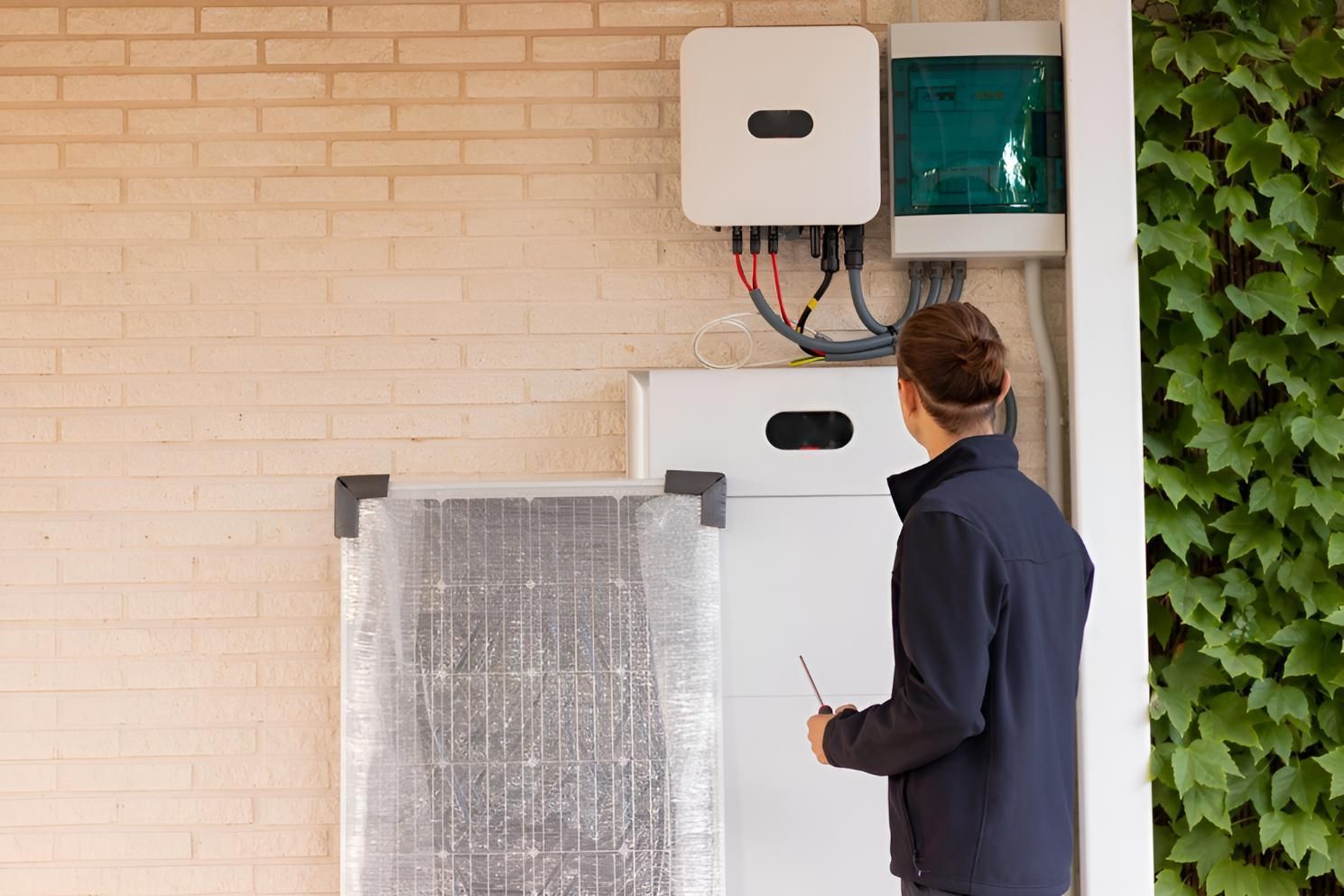
The inverter is arguably the most important component in your solar setup, and it is also the one that gives the clearest early warning signs when something is wrong. Most modern inverters have a display or companion app that shows daily and historical production data. A sudden drop in output that does not align with a cloudy stretch of weather is worth investigating promptly.
Common inverter warning signs to watch for:
- Error codes displayed on the screen or in the monitoring app
- Output figures noticeably lower than previous weeks in similar conditions
- The inverter running hotter than usual or making unfamiliar sounds
- Frequent tripping or resetting without an obvious cause
Checking Wiring and Mounting Hardware
Electrical connections and mounting systems are not visible from the ground, which is exactly why they tend to get overlooked. Queensland's climate, with its heat cycles, storm activity and intense UV exposure, puts real stress on outdoor components. Connectors can oxidise, mounting bolts can loosen and DC isolators can degrade over time. These are all things a licensed electrician should assess during a scheduled professional inspection.
Key components to have reviewed during a professional visit:
- DC and AC isolator condition and secure operation
- Roof penetration seals for any signs of moisture ingress
- Mounting rail alignment and bolt torque across the full array
- Cable management, particularly where cables are exposed to direct sunlight
Making the Most of Performance Monitoring Tools
Most solar systems installed in recent years include some form of monitoring, either through the inverter brand's own app or a third-party platform. These tools give homeowners real-time visibility into how much energy is being generated and consumed. Getting into the habit of reviewing this data regularly is one of the most practical things a homeowner can do to protect their investment and identify issues early.
Monitoring platforms help you:
- Spot underperformance from a single panel or string before it develops into a larger fault
- Compare daily and seasonal generation against expected benchmarks for your system size
- Identify periods where the system is not exporting to the grid when it should be
- Build a performance history that supports any future warranty claims
Battery Storage and Its Own Maintenance Needs
For homeowners with battery storage, maintenance considerations extend well beyond the panels and inverter. Batteries have their own operating parameters, including temperature ranges, charge cycle recommendations and firmware updates that directly affect performance. A battery that is consistently kept in a hot, unventilated space or regularly deep-discharged will degrade faster than its rated lifespan suggests.
Battery maintenance best practice includes:
- Keeping the battery in a cool, well-ventilated space away from direct sun exposure
- Checking for firmware or software updates recommended by the manufacturer
- Monitoring charge patterns to avoid deep discharging on a regular basis
- Including the battery system in your scheduled professional electrical inspection
Knowing When to Call a Licensed Electrician
Some solar maintenance tasks are well within reach of a homeowner, but anything involving electrical components, roof access or physical connections to the system should be left to a licensed professional. In Queensland, solar systems must be maintained by qualified tradespeople, and attempting DIY electrical work can void manufacturer warranties and create genuine safety risks.
Homeowners investing in solar power on the Sunshine Coast depend on their system being electrically sound, and that is not something to leave to chance.
Call a licensed electrician when:
- You notice a persistent drop in generation output with no clear weather-related explanation
- Your inverter is displaying fault codes or behaving erratically
- Panels show visible damage such as cracking, discolouration or hotspot marks
- It has been more than two years since your system last had a professional inspection
Get Expert Solar Support on the Sunshine Coast
We at Robbie McDonald Electrical work with homeowners across the Sunshine Coast who want to get the most from their solar investment. Whether you have had your system for a few months or a decade, keeping it in good shape makes a real difference to long-term savings and system reliability. If you have noticed a drop in performance, it has been a while since a professional check or you simply want peace of mind heading into the warmer months, our team is ready to help. Get in touch through our website to book an inspection, or to discuss solar power options including battery storage and off-grid systems.