Where To Place Solar Panels For Maximum Sunlight On The Sunshine Coast
Installing solar panels is often seen as a straightforward upgrade, but where those panels are placed can make a noticeable difference to how they perform over time. Two homes in similar locations can experience very different outcomes simply due to roof orientation, shading or how the system is designed.
For homeowners considering solar, understanding these factors early can help avoid limitations later. While solar systems are designed to capture sunlight efficiently, their output depends heavily on placement and installation decisions. Taking the time to assess these elements allows the system to work with the property rather than against it, supporting more consistent performance across different conditions.
Roof orientation plays a key role in how much sunlight your solar panels receive throughout the day
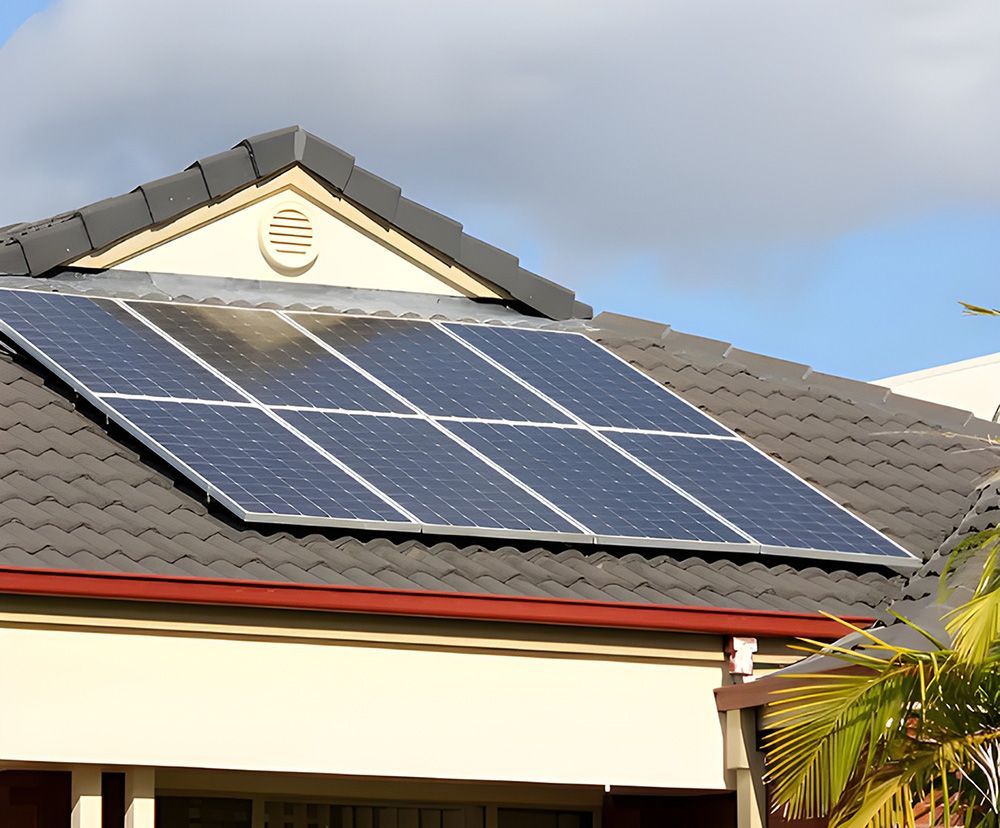
The direction your roof faces has a direct impact on how much sunlight your solar panels are exposed to throughout the day. On the Sunshine Coast, north-facing roofs are often considered suitable for consistent sun exposure, while east and west-facing roofs can still contribute depending on how the system is configured.
Orientation influences performance in several ways, such as:
- North-facing roofs tend to receive steady sunlight across most of the day
- East-facing panels capture stronger morning light
- West-facing panels benefit from afternoon sun exposure
- South-facing areas generally receive limited direct sunlight
When planning solar systems Sunshine Coast installations, understanding roof direction helps guide where panels are placed. In many cases, a combination of orientations can be used to balance energy production across different times of the day.
Why roof pitch and angle can influence the performance of solar systems over time
Roof pitch plays a subtle but important role in how solar panels perform. The angle at which panels are installed affects how directly sunlight reaches their surface, which in turn influences how effectively energy is generated.
On the Sunshine Coast, roof angles can vary widely between properties. Some roofs are relatively flat, while others are steeper depending on the design of the home. While panels can be installed across a range of angles, positioning them closer to the optimal tilt can support more consistent exposure throughout the year.
Even when the roof pitch is not ideal, adjustments can often be made through mounting systems. This allows the panels to be positioned in a way that aligns more closely with the sun’s path, improving overall performance without altering the structure of the roof.
Shading from trees, buildings and structures can reduce solar output more than expected
Shading is one of the most common factors affecting solar panel performance. Even partial shading across a small section of a panel can influence how it operates, particularly during certain times of the day.
Common sources of shading include:
- Trees that cast shadows as they grow or shift with the seasons
- Neighbouring buildings that block sunlight at certain angles
- Roof features such as chimneys, vents or skylights
- Antennas or other fixed structures
Because shading patterns change throughout the day, it is important to consider not just where shadows fall, but when they occur. Adjusting panel placement or spacing can help reduce the impact and support more consistent sunlight exposure across the system.
Different roof types require tailored approaches for solar panel installation
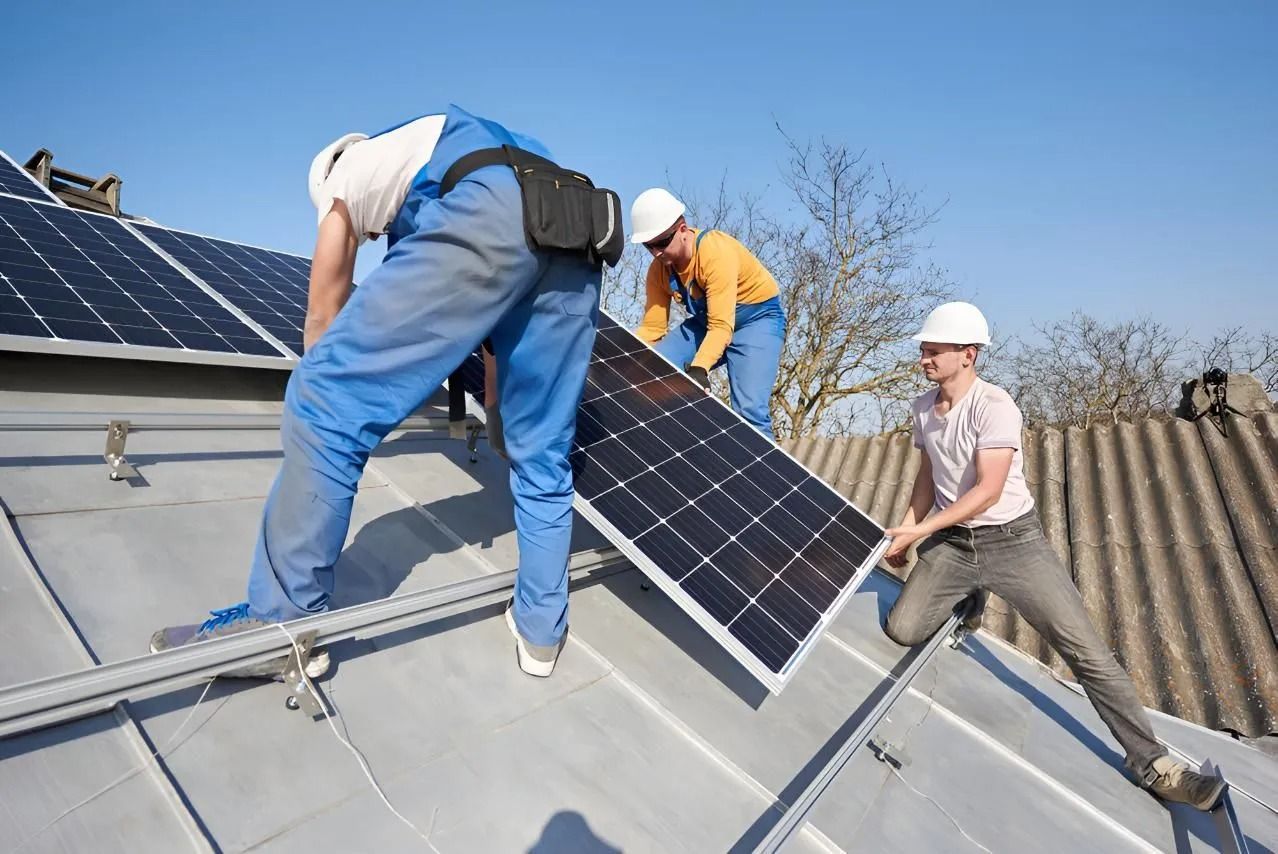
Roof construction can influence both how panels are installed and where they are positioned. Metal roofs, tiled roofs and flat roofs each require different mounting techniques and considerations.
The installation process needs to account for how panels are secured, how weight is distributed and how the integrity of the roof is maintained. For example, tiled roofs may require more careful handling during installation, while metal roofs may allow for more direct mounting methods.
These differences do not limit the ability to install solar panels, but they do influence how the system is designed. A tailored approach ensures that panels are positioned in a way that works with the structure rather than creating unnecessary complications.
Panel positioning across multiple roof sections can improve overall energy capture
In some situations, relying on a single section of the roof may not provide the most consistent sunlight exposure. Splitting panels across multiple roof areas can help capture sunlight at different times of the day.
This approach may involve:
- Placing panels across both east and west-facing sections
- Using available roof space to minimise shading impact
- Distributing panels to balance morning and afternoon sunlight
- Adjusting layout based on structural features and access
By spreading panels across different areas, the system can respond more effectively to changing sunlight conditions. This can be particularly useful for homes where a single roof orientation does not provide consistent exposure throughout the day.
Seasonal sunlight changes on the Sunshine Coast can impact panel efficiency
Sunlight patterns shift throughout the year, and this naturally affects how solar panels perform. While the Sunshine Coast benefits from strong sunlight overall, seasonal changes still influence the angle and intensity of the sun.
During summer, the sun sits higher in the sky, while in winter it travels at a lower angle. These changes can affect how directly sunlight reaches the panels, particularly if they are positioned on steeper or flatter roof surfaces.
Planning for these variations helps create a system that performs consistently rather than relying on peak seasonal conditions. By considering how sunlight changes across the year, panel placement can be adjusted to support more balanced performance.
Professional site assessments help identify the most suitable solar panel placement
A site assessment provides valuable insight into how a property can support solar panel installation. This process looks beyond basic measurements and considers how the system will function in real conditions.
A typical assessment can include:
- Reviewing roof orientation and available installation space
- Identifying shading patterns at different times of the day
- Assessing roof condition and structural considerations
- Evaluating access for installation and ongoing maintenance
These factors help guide placement decisions and ensure the system is designed to suit the property. Without this step, it can be difficult to account for all the variables that influence solar performance.
Correct installation ensures safety, compliance and long-term solar system performance
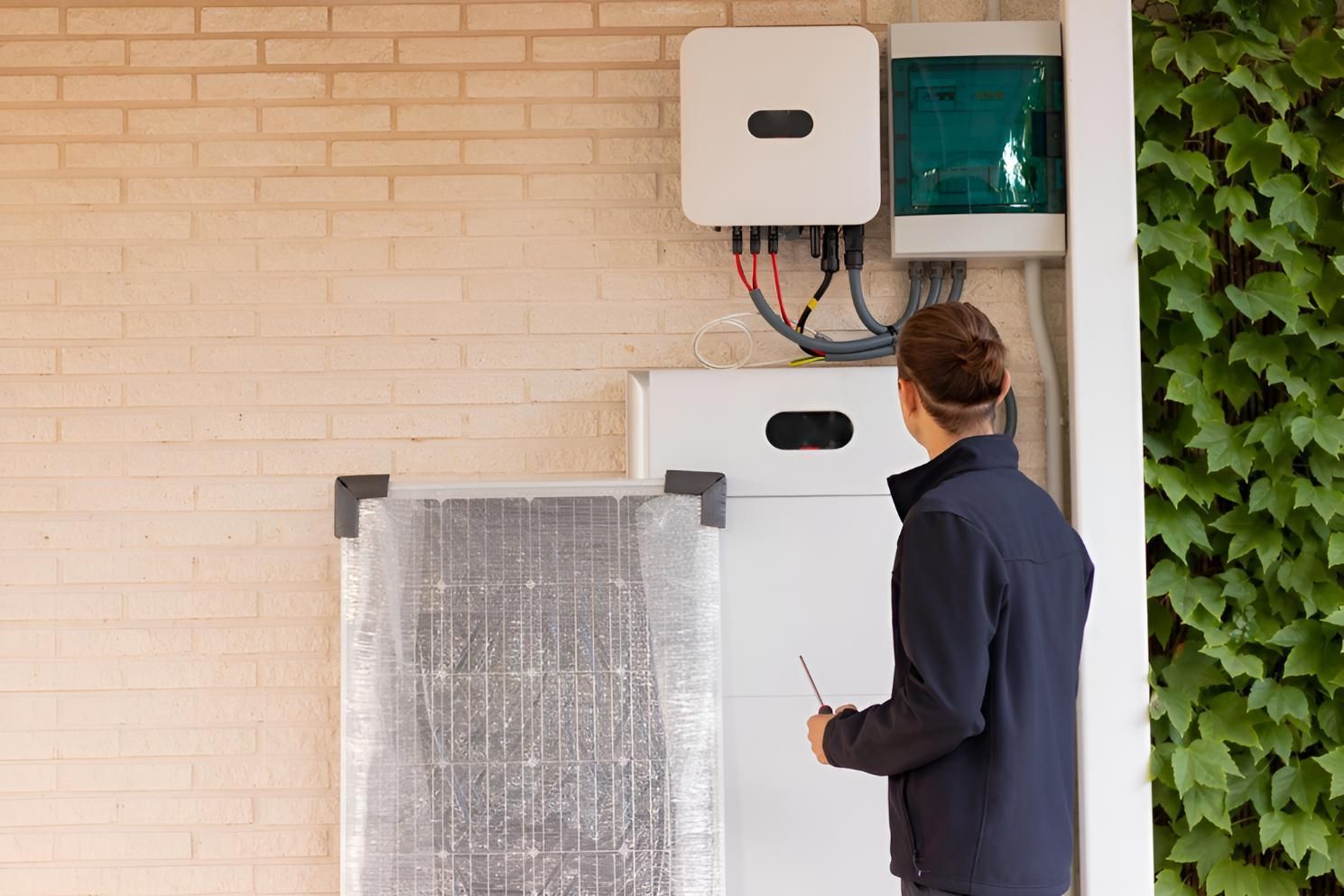
Installing solar panels involves more than positioning them on a roof. Electrical integration, mounting systems and compliance requirements all play a role in how the system operates over time.
Proper installation supports safe operation and helps ensure the system functions as intended. Panels need to be secured in a way that withstands environmental conditions, including wind, rain and ongoing exposure to the elements.
Electrical connections must also be completed correctly so the system integrates with the home’s power supply. These factors contribute to both safety and consistent performance, making installation a key part of the overall process.
We at Robbie McDonald Electrical understand that homes across the Sunshine Coast are exposed to a mix of coastal conditions, strong sunlight and changing weather patterns that can all influence how solar panels perform. Factors like salt air, roof design and surrounding vegetation can all affect placement decisions.
If you are considering solar systems Sunshine Coast installations, we are here to help you plan and position your system based on your property’s specific conditions. Get in touch to arrange an assessment and take the next step towards a well-planned solar setup.