Why Upgrading Your Existing Sunshine Coast Solar System Is Worth It
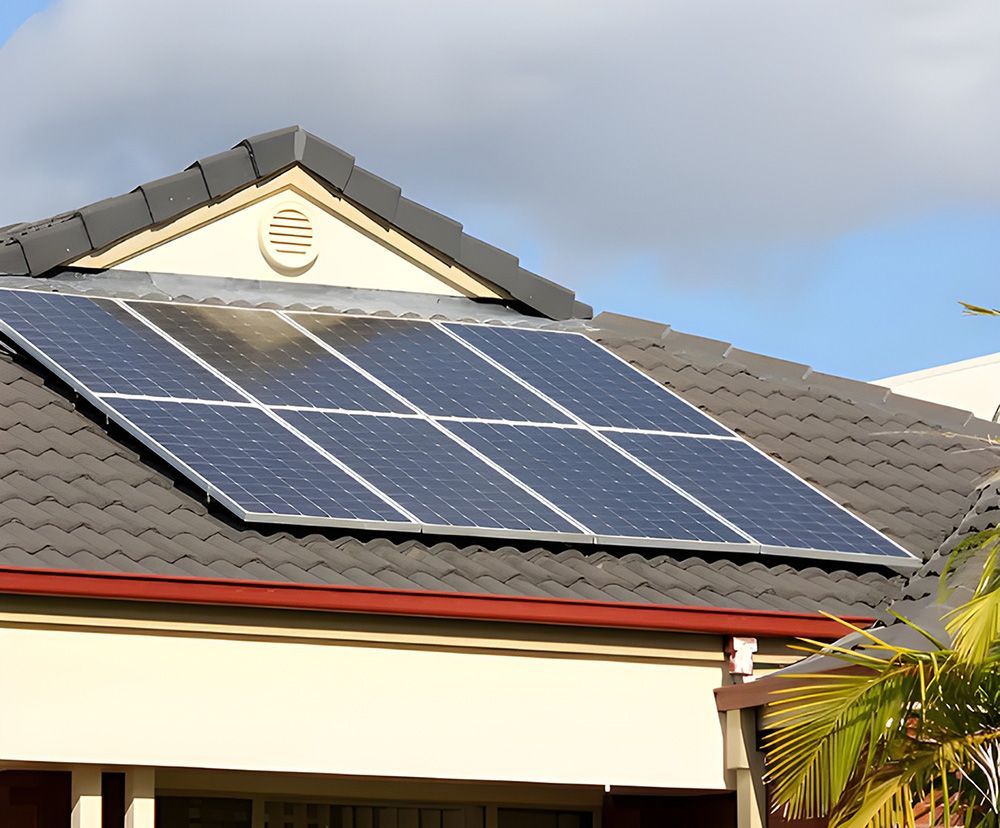
If your solar systems on the Sunshine Coast have been on the roof for five or more years, there's a reasonable chance they aren't performing the way they once did — or the way a modern system would. Solar technology has advanced considerably over the past decade, feed-in tariffs have changed, and household energy demands have grown.
For Sunshine Coast homeowners who installed solar early and haven't revisited the decision since, the case for upgrading is stronger than most people realise. This isn't about replacing something that's broken. It's about making sure what's on your roof is still working as hard as it should be.
Solar Technology Has Improved Significantly
The panels installed on Sunshine Coast homes five to ten years ago were built to the standards of their time, and many are still functioning. The question isn't just whether they're working — it's how efficiently they're working compared to what's now available.
Modern solar panels convert a meaningfully higher percentage of sunlight into usable electricity than older generation products.
Panel degradation also compounds over time, meaning panels that were already less efficient than today's products are now operating below even their original rated output. Inverter technology has similarly advanced, with modern units offering better energy management, smarter monitoring and improved compatibility with battery storage systems that didn't exist in their current form when many older systems were installed.
Your Energy Needs Have Probably Changed
When most Sunshine Coast homeowners installed their original solar system, they sized it based on the household's energy consumption at the time. Since then, a lot may have changed. Additional family members, home offices, electric vehicles, pool heating or simply the general increase in household appliance use can mean the system that was right for the home five years ago is now undersized for current demand.
An undersized system means a greater proportion of your energy needs are being met by grid power at retail rates, which have increased substantially. Upgrading to a larger system, or adding panels to an existing setup where the inverter capacity allows, directly addresses this gap and increases the proportion of your total energy use that your solar generation covers.
The Feed-In Tariff Shift Changes the Calculation
When solar systems on the Sunshine Coast were first widely adopted, feed-in tariffs were high enough that exporting excess generation to the grid was financially worthwhile. Those tariffs have dropped considerably, and the economics of solar have shifted as a result. Exporting energy to the grid now returns significantly less than the cost of buying that same energy back at retail rates.
This shift means the value of solar lies increasingly in self-consumption rather than export. A system designed around today's tariff environment looks different to one designed around the tariffs of a decade ago. Upgrading to a larger system combined with battery storage allows more of your generated energy to be used within the home, reducing grid reliance and making better use of what your panels produce.
Battery Storage Changes What's Possible
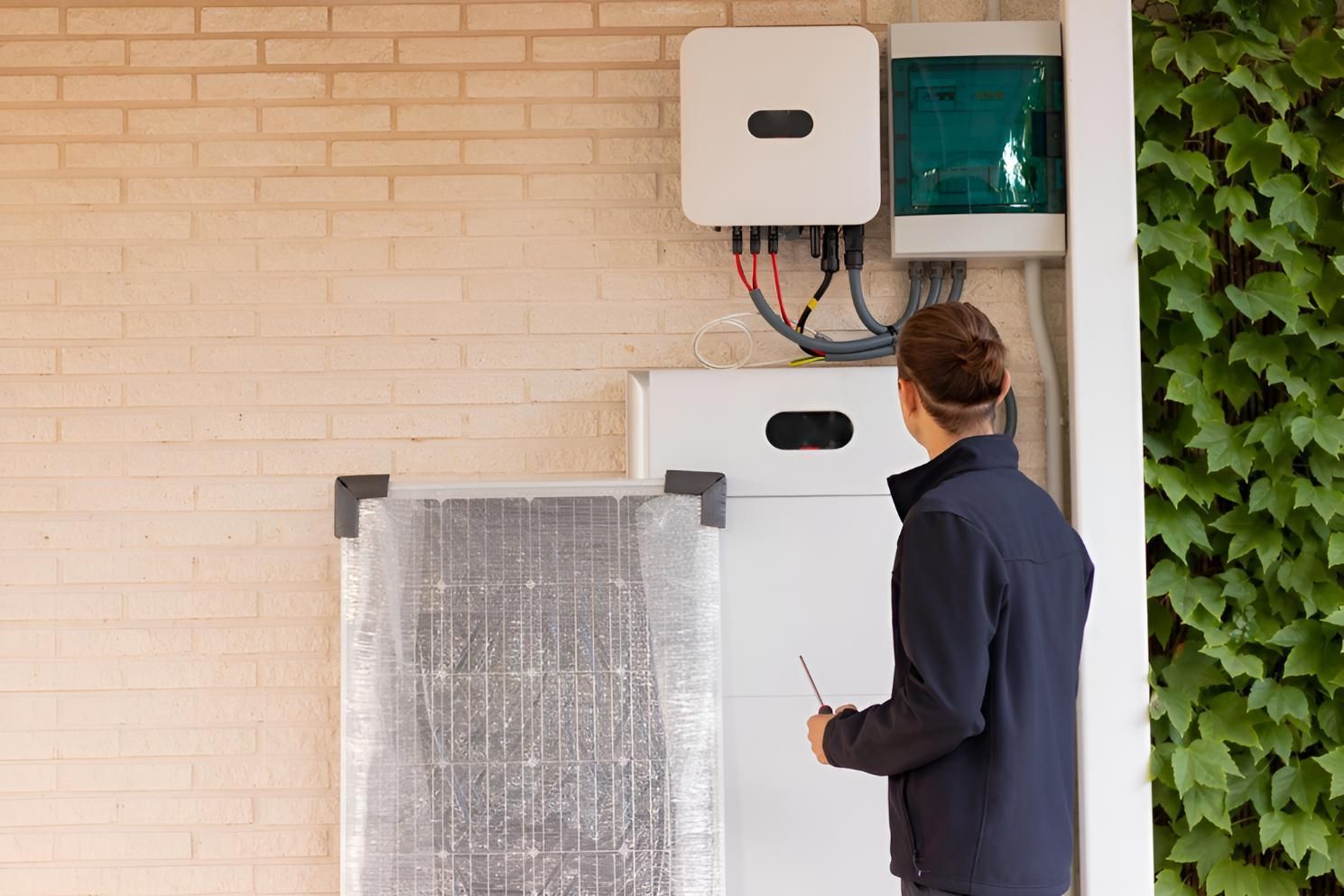
For homeowners who installed solar before battery storage was a practical residential option, adding storage as part of an upgrade is one of the most significant improvements available. Battery storage captures the excess generation that would otherwise be exported at a low feed-in tariff and makes it available during the evening and overnight when the panels aren't producing.
On the Sunshine Coast, where summer days generate substantial solar output, a well-sized battery system can cover a significant proportion of evening energy demand from stored solar rather than grid power. The combination of upgraded panels, a compatible hybrid inverter and a battery system represents a meaningful step toward genuine energy independence for households with the roof space and budget to support it.
Monitoring and Performance Visibility
Older solar systems were often installed with limited monitoring capability, making it difficult for homeowners to know whether the system is actually performing as expected. Many homeowners with older systems are simply looking at a reduced electricity bill and assuming everything is fine, without any visibility over how much energy is being generated, how much is being consumed and how much is being exported.
Modern solar systems include sophisticated monitoring platforms that provide real-time and historical data on all of these figures. This visibility matters because it allows performance issues to be identified and addressed promptly rather than silently costing money over months or years. It also allows households to adjust their energy use patterns to better align with generation peaks, which improves self-consumption without requiring any additional hardware.
What an Upgrade Typically Involves
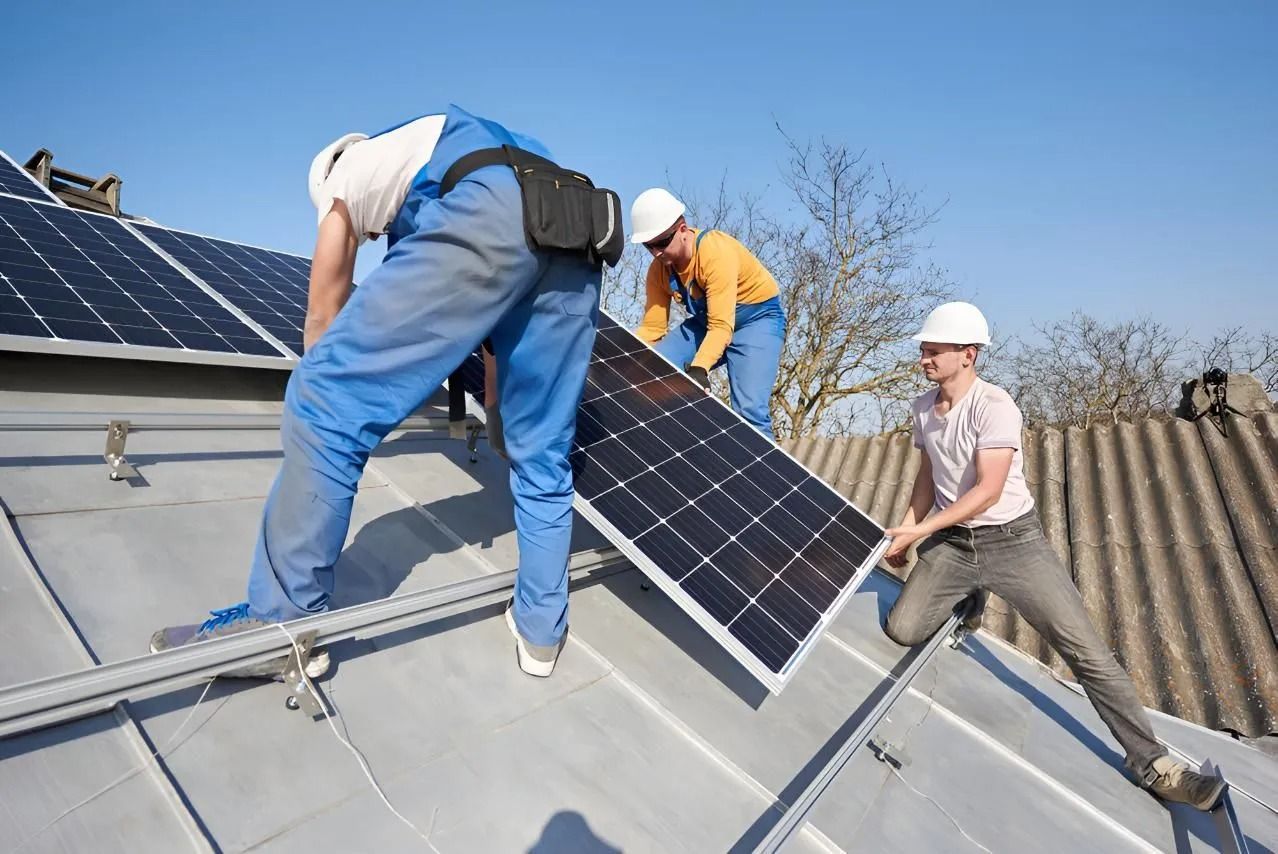
An upgrade doesn't always mean removing everything and starting from scratch. Depending on the condition and capacity of the existing system, an upgrade might involve adding panels to increase total generation capacity, replacing an ageing inverter with a modern hybrid unit, adding battery storage to an otherwise functional system, or a full system replacement where the existing equipment is no longer worth retaining.
A qualified assessment of the existing system is the starting point. This establishes what's performing adequately, what's limiting the system's output or compatibility with modern components, and what combination of upgrades will deliver the best return for the specific household's energy profile.
Make the Most of What the Sunshine Coast Has to Offer
The Sunshine Coast receives some of the best solar irradiance in Australia. Homes here have a genuine natural advantage when it comes to solar generation, and an underperforming or outdated system is leaving that advantage partially untapped. Whether it's declining panel efficiency, an inverter that's reached the end of its useful life or a system that was simply never sized for current household demand, there's a practical and financial case for reviewing what's on your roof.
We at Robbie McDonald Electrical work with Sunshine Coast homeowners to assess existing solar systems Sunshine Coast and recommend upgrades that reflect current technology, current energy economics and each household's specific needs. If your solar systems on the Sunshine Coast haven't been reviewed in several years, get in touch with our team today to arrange an assessment and find out what an upgrade could mean for your energy bills.