Common Myths About Solar Power On The Sunshine Coast (And What’s Actually True)
Two myths come up more than any others when Sunshine Coast homeowners are deciding about solar. The first: that panels don’t work in cloudy weather. False — they produce less, not nothing. The second: that solar will keep your power on in a blackout. Also false for a standard grid-connected system, and this one matters because it causes real frustration when people find out mid-outage.
Most of these myths come from generic advice written for the whole country. When we assess solar systems Sunshine Coast homeowners are considering, we do it against local conditions: roof orientation, shading, salt air and storm-season reliability. Here is what is actually true.
The Short Answer: Which Solar Myths Are Actually True On The Sunshine Coast?
Myth 1 — Panels don’t work on cloudy days: FALSE. Output drops, it doesn’t stop.
Myth 2 — Solar keeps the lights on in a blackout: FALSE for standard grid-connected systems. Only battery storage with backup capability changes this.
Myth 3 — Solar isn’t worth it without a good feed-in tariff: HALF-TRUE. The payback maths changed, but the case for solar on the Sunshine Coast remains strong.
Myth 4 — Panels wreck roofs and fail in salt air: MOSTLY FALSE, with one real caveat around mounting hardware.
Myth 5 — Bigger is always better: FALSE. Oversizing wastes money for most households.
Myth 1: “solar Panels Don’t Work On Cloudy Or Rainy Days”
Verdict: False.
Solar panels generate electricity from light, not direct sunlight. On an overcast Sunshine Coast afternoon — the kind that rolls in from December through March during storm season — a well-sized system is still producing. Output might be 20 to 40 per cent of a clear-day level rather than full capacity, but the system is not idle.
There is also a counter-intuitive detail most installers don’t mention: on the hottest clear days of summer, panel output actually drates in extreme heat. Panels are rated at 25°C, and actual cell temperatures on a 35-degree day with full sun can reach well above that, reducing efficiency. The highest-generation days are often bright, moderate-temperature days — not necessarily the peak of a heatwave. On the Sunshine Coast, the humid overcast season and the high solar irradiance combine in a way that a good quality system handles well across the whole year.
Myth 2: “my Solar Will Keep The Lights On In A Blackout
Verdict: False for standard grid-connected systems.
This is the myth that causes the most genuine confusion and frustration, so it is worth explaining properly. A standard grid-connected solar inverter includes anti-islanding protection — an automatic disconnection that shuts the system down when the grid goes offline. This is not a fault or a bad install. It is a deliberate safety design that prevents electricity from flowing back into the network while linespeople may be working on it.
What this means in practice: when a Sunshine Coast storm takes out the grid, your solar system shuts off along with everything else. The panels are still up there, but no power is coming through.
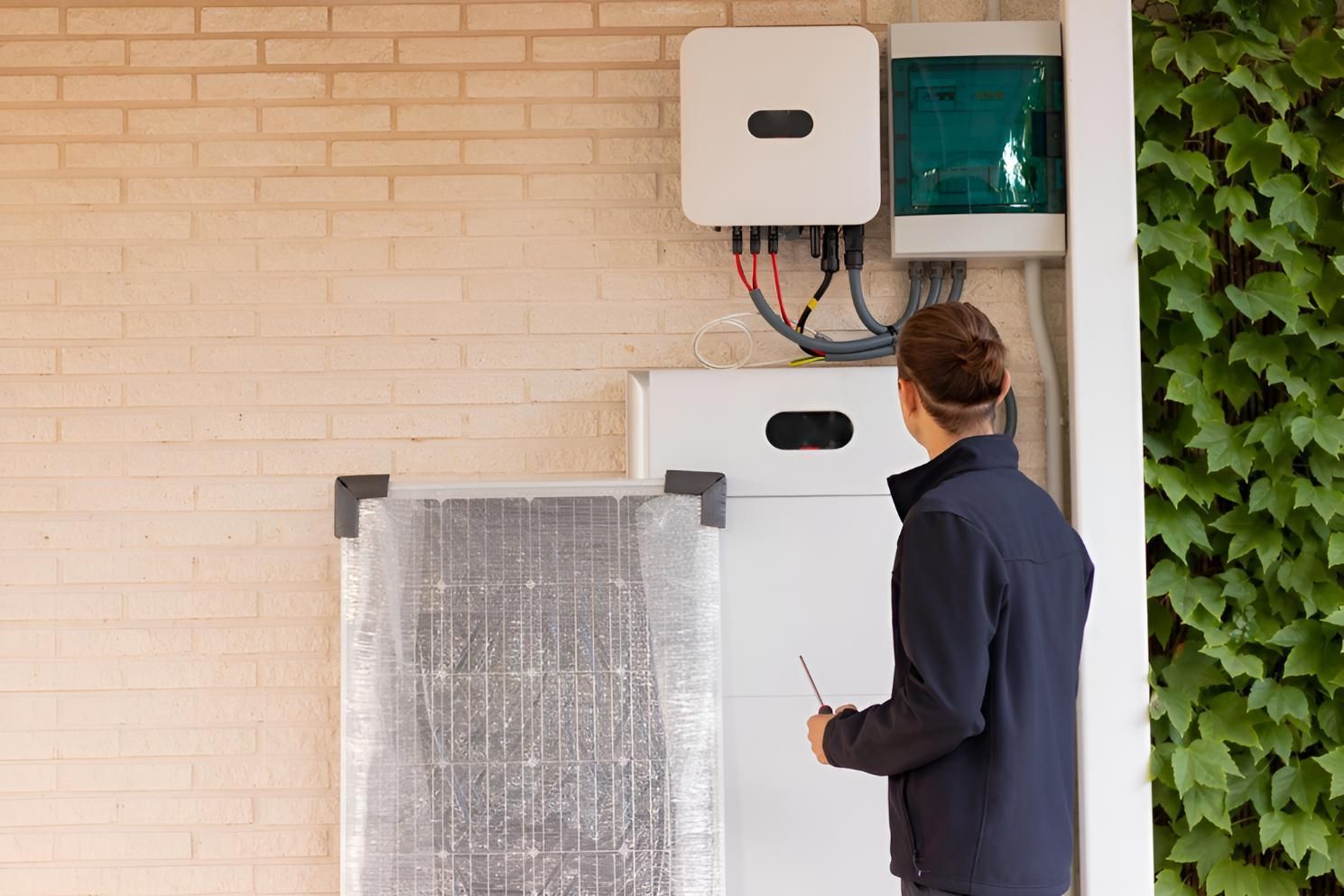
The only way to keep circuits live during an outage is battery storage with backup capability — specifically a hybrid inverter and battery that can island your home from the grid and continue running on solar and stored power. This is a different product and a different installation to a standard grid-connect system. It is also not the right purchase for everyone.
Myth 3: “solar Isn’t Worth It Anymore Now The Feed-in Tariff Has Dropped”
Verdict: Half-true. The payback calculation changed, but the fundamentals are strong.
Feed-in tariffs in Queensland are lower now than they were in the peak period, and this has led some homeowners to conclude that solar is no longer financially viable. The half-truth here is that the feed-in tariff was never the primary financial benefit for most households — it was always self-consumption: using the solar you generate instead of buying power from the grid.
The self-consumption benefit has not diminished. Electricity prices in south-east Queensland have risen significantly, which means every kilowatt-hour your system generates and your household uses is one you are not paying retail price for. The key shift is that the economics now favour a different usage pattern: running appliances, the pool pump and the dishwasher during daylight hours rather than exporting everything and getting a low feed-in rate for it.
There are also STC incentives and other solar rebates and incentives available in Queensland that remain part of the payback picture and are worth understanding before drawing conclusions about viability.
Myth 4: “panels Wreck Your Roof And Won’t Survive The Salt Air”
Verdict: Mostly false, with one genuine caveat.
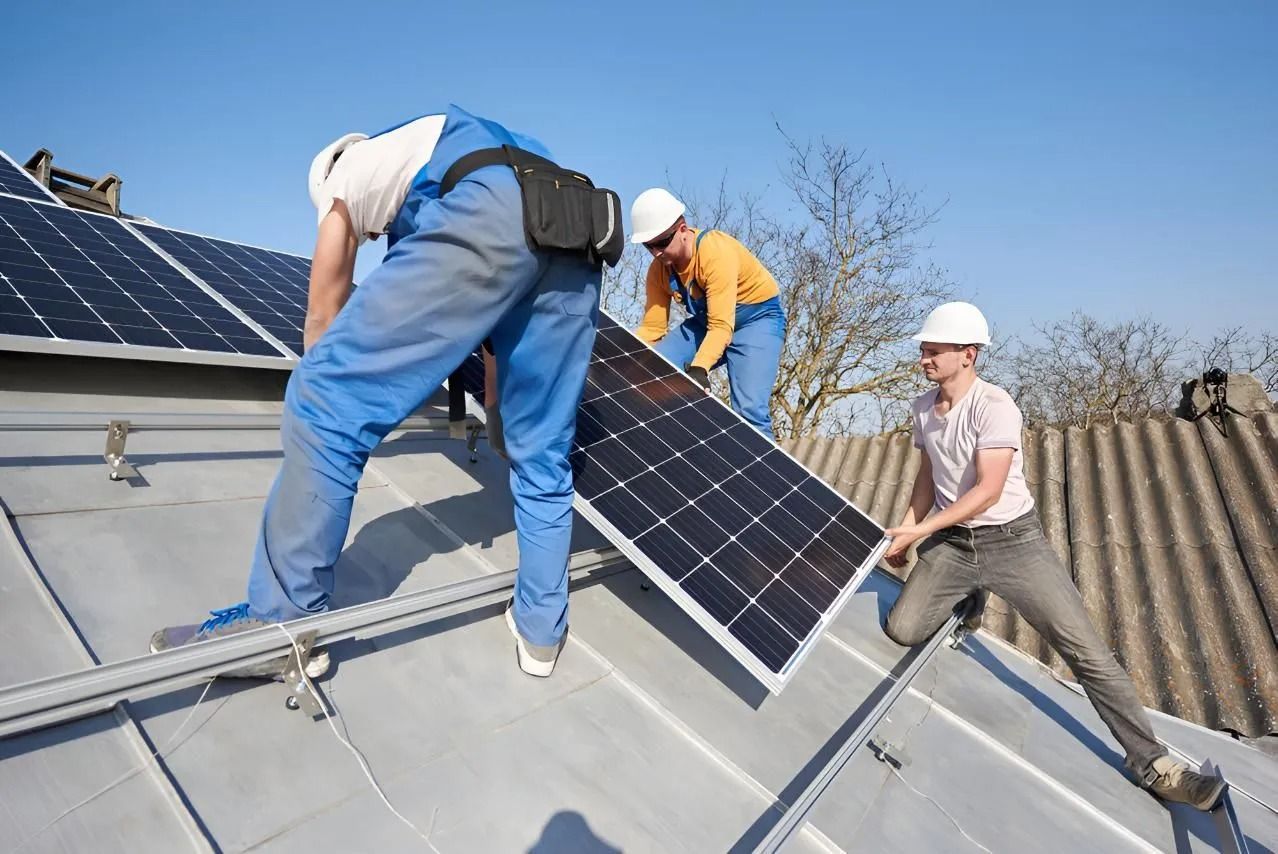
Modern solar panel installations use purpose-designed mounting rail systems with flashed, properly sealed roof penetrations. A well-installed system does not damage the roof. An improperly installed system absolutely can, which is why the installer matters as much as the product.
The salt-air caveat is real for Sunshine Coast coastal properties. Homes within a kilometre or two of the ocean sit in an environment that accelerates corrosion on standard-grade mounting hardware. The specification of mounting rail, fixings and frame material for a coastal installation should reflect this. Panels themselves are typically rated for coastal environments, but the hardware holding them in place is the component most at risk from prolonged salt-air exposure.
Coastal homes need a closer eye on mounting hardware and panel surfaces over time. Our advice on maintaining your system for long-term savings covers what to look for and how often inspections and cleaning are worth scheduling near the coast.
Myth 5: “bigger Is Always Better” (And When A Battery Isn’t Worth It Yet)
Verdict: False. System size should match your household’s actual usage pattern.
A system sized off a sales pitch rather than your actual electricity bills and usage timing will underperform financially, regardless of panel quality. The measure that matters is not how much power your system can generate at peak output, but how much of that generation your household actually uses during daylight hours.
A household that is at work from 8am to 5pm and runs most of its load in the evening will get less value from a large system than a household with high daytime use. For the away-during-the-day scenario, the cheaper and often more effective starting point is load-shifting: putting timers on the pool pump, the hot water system and the dishwasher so they run during solar generation hours. That habit change can significantly improve self-consumption without adding a single panel.
On batteries: a home battery is the right purchase for households with medical equipment that requires continuous power, those who experience frequent storm-season outages and want backup capability, and those with high evening electricity usage that a battery can offset. It is not the right first purchase for a household whose primary goal is lower bills, solid daytime solar generation and a modest export return. Say that plainly to your installer and ask for a recommendation that reflects your actual situation.
Sizing comes down to when you use power and how much, which is why we walk through it in detail in our guide on how to size the perfect solar system for your home.
Frequently Asked Questions About Solar Power On The Sunshine Coast
Do solar panels work when it’s cloudy on the Sunshine Coast?
Yes, at reduced output. Overcast conditions drop generation to roughly 20 to 40 per cent of a clear-day level, but the system is still producing. The Sunshine Coast’s high annual irradiance means the overall yearly generation figure for a well-designed system remains strong despite the storm season.
Why does my solar shut off during a power outage?
Anti-islanding protection. Grid-connected inverters are required to disconnect when the grid goes down, as a safety measure for network workers. This is standard on every grid-connect installation. A battery system with backup/islanding capability is the only solution if you need power during an outage.
Do I need a battery to get value from solar?
No. A battery adds value in specific scenarios: frequent storm outages, medical power requirements, or high evening usage. For most households, the value is in self-consumption during the day. A good installer will tell you honestly whether a battery pays its way for your specific usage pattern.
How often should solar panels be cleaned or inspected near the coast?
More frequently than inland properties. Coastal salt-air deposits on panel surfaces and mounting hardware are worth addressing every one to two years with a professional inspection and clean, with a visual check more regularly for homes very close to the water.
Can I add panels or a battery to an existing system?
Usually yes, depending on the inverter and available roof space. Adding panels to a system with a string inverter has specific limitations around matching. A site inspection is the practical way to assess what your existing system can accommodate and what the most cost-effective upgrade path is.
Have Questions About Your Specific Roof Or Usage Pattern?
The best way to cut through conflicting advice is a no-obligation site inspection with a local solar electrician who can look at your actual roof orientation, shading, proximity to the coast and electricity bills rather than giving generic national advice.
Robbie McDonald Electrical installs and services solar systems across the Sunshine Coast. Get in touch to book a site inspection or talk through what your property allows before you commit to anything.