How Much Does A Solar System Cost On The Sunshine Coast?
The
solar system cost Sunshine Coast homeowners pay depends on system size, panel and inverter selection, roof access and the electrical work required. Two systems with the same advertised capacity can have very different installation costs. The most reliable way to understand your price is through an itemised quote based on your property.
Robbie McDonald Electrical provides transparent solar quotes outlining equipment, installation requirements and projected savings, without hidden fees.
The Short Answer: What Determines the Cost of Solar on the Sunshine Coast?
Most small-to-medium Sunshine Coast households consider solar systems in the 5–6.6kW range, although the right size depends on electricity usage, available roof space and future plans.
A system's capacity is measured in kilowatts (kW), while the electricity it generates is measured in kilowatt-hours (kWh). A larger system can produce more electricity under suitable conditions, but it also requires additional equipment.
Sunshine Coast homes benefit from strong solar exposure, making properly designed residential systems a practical option for reducing reliance on grid electricity.
What Affects the Upfront Price?
The main cost drivers are:
- System capacity: More panels generally increase equipment and installation costs.
- Panel quality: Different product ranges have different specifications and warranties.
- Inverter selection: String inverters and micro-inverters involve different equipment costs.
- Roof conditions: Pitch, height, material and access affect installation work.
- Electrical infrastructure: Switchboard or meter changes may increase the scope.
A larger system may have a lower installation cost per kW because some fixed costs are spread across more capacity. However, the total price is usually higher.
What You're Actually Paying For in a Solar Quote
A solar installation quote covers more than the panels visible on your roof. Understanding the individual components helps explain where your money goes.
Solar Panels
Panels convert sunlight into direct current electricity. Different panel ranges vary in efficiency, performance characteristics, product warranties and manufacturer support. Premium panels can increase the upfront cost, but the most expensive option isn't automatically the best choice for every roof.
Inverter and Monitoring
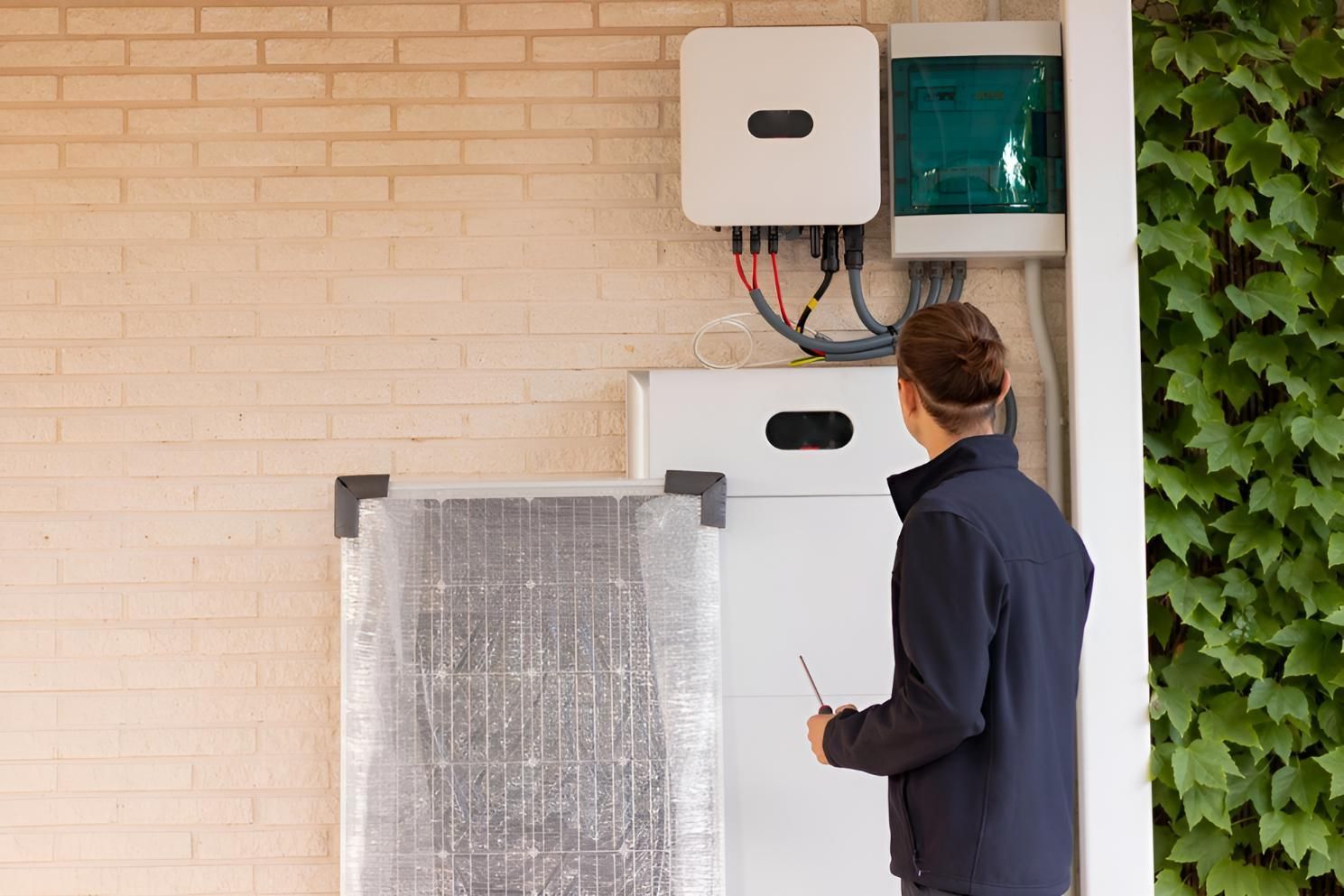
The inverter converts electricity from the panels into alternating current suitable for household use. A string inverter generally manages a group of connected panels. Micro-inverters operate at individual panels, offering a different system design that may suit particular roof layouts or shading conditions.
Monitoring equipment or software can help you track generation and system performance. Check whether monitoring hardware, setup and any ongoing service charges are included.
Mounting Hardware and Roof Protection
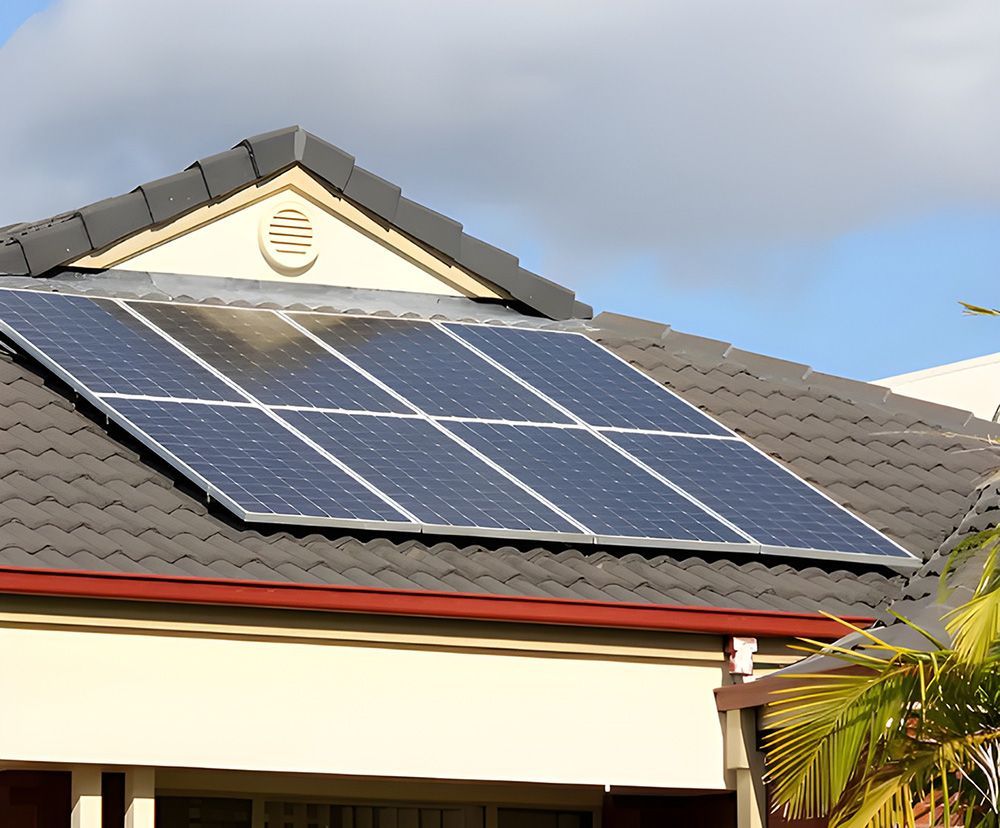
Panels need suitable rails, brackets, clamps and fixings. On tiled roofs, installers must account for tile condition and appropriate mounting methods. Metal roofs require compatible attachments and weatherproof installation details.
Coastal exposure may also influence material selection and corrosion protection. Poor-quality mounting hardware can undermine an otherwise good system, so it deserves attention in the quote.
Labour, Testing and Electrical Work
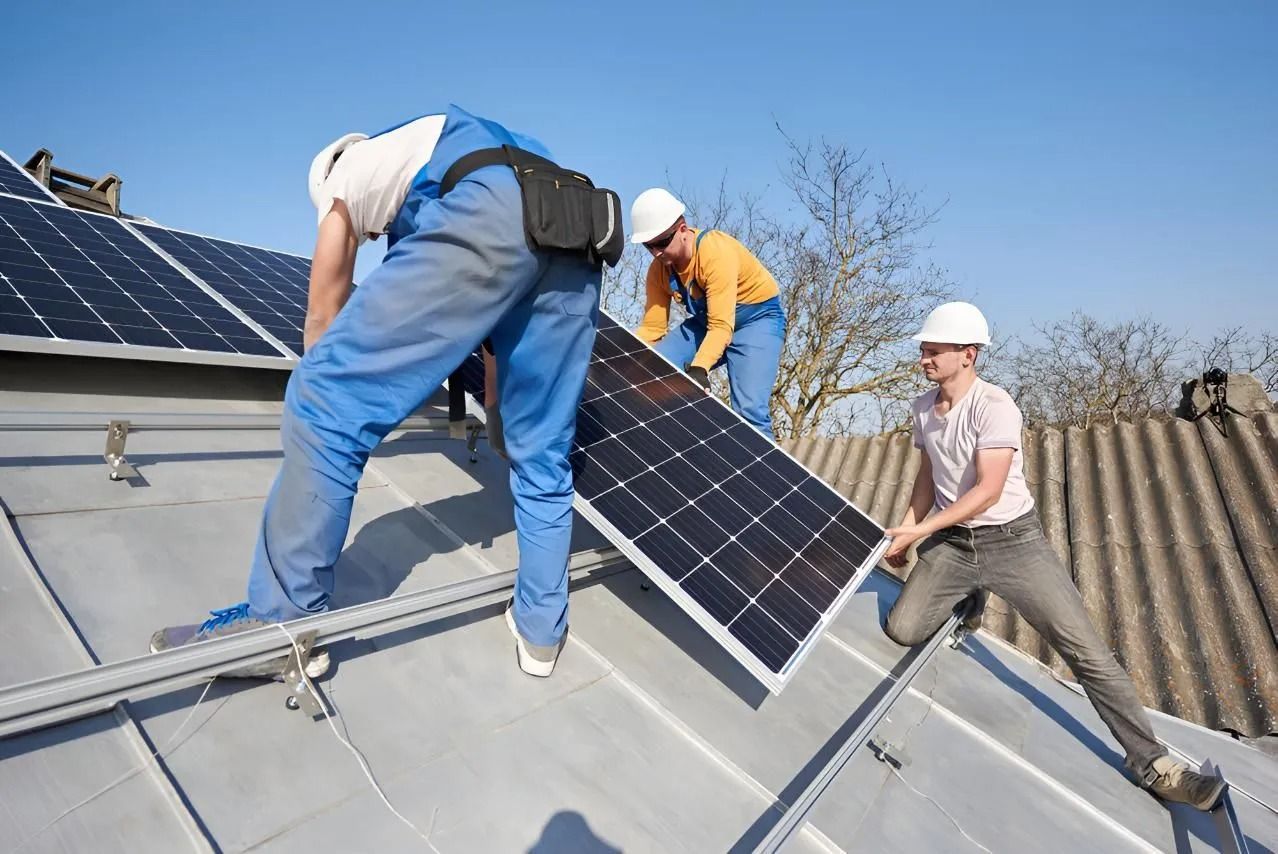
Installation includes mounting the panels, connecting electrical equipment, installing protection and testing the completed system. A standard grid-connected installation may take approximately one to three days once assessments, approvals and site preparation are complete.
More complicated properties can require additional time. Robbie McDonald Electrical provides itemised quotes for
solar systems on the Sunshine Coast, so homeowners can review before proceeding.
Why Identical System Sizes Can Be Priced Very Differently
Two quotes advertising a 6.6kW system may appear comparable, but the equipment and installation scope can differ considerably. The advertised capacity only tells you part of the story.
What Explains the Price Difference?
One quote may include higher-tier panels, a different inverter arrangement, upgraded mounting components or more detailed monitoring. Another may use reliable, lower-cost equipment that still meets the property's requirements.
Differences can also come from whether the installer has included switchboard work, meter-related allowances or difficult roof access. For example, a straightforward single-storey installation on a suitable metal roof may require less labour than the same-sized system on a steep, two-storey tiled roof.
Is the Cheapest Solar Quote Always a Bad Choice?
No. Sometimes the cheapest quote is the right one. If two installers propose suitable equipment, comparable warranties and the same installation scope, a lower price may represent genuine value.
The concern is when essential work or equipment details are missing. Ask whether the quote clearly identifies panel and inverter models, mounting requirements, monitoring, electrical upgrades and any exclusions. A transparent quote makes those differences easier to understand.
How Rebates and Feed-In Tariffs Change the Real Cost
Government incentives can reduce the upfront cost of eligible solar installations, while feed-in tariffs may provide credits for electricity exported to the grid. However, rebates and feed-in tariffs work differently.
Does the Solar Rebate Come Off the Price Upfront?
Eligible Australian solar installations may qualify for incentives under the Small-scale Renewable Energy Scheme through small-scale technology certificates (STCs).
Installers commonly arrange for the certificate value to be applied as an upfront discount, subject to eligibility and the agreed arrangement. This means homeowners generally don't need to separately claim that same discount after installation when they've assigned the certificates to the provider.
Ask whether your quote shows the price before and after the applicable incentive. For more detail, read our guide explaining
how solar rebates reduce your upfront cost.
What About Feed-In Tariffs?
A feed-in tariff is a credit your electricity retailer may pay for eligible surplus solar electricity exported to the grid. It doesn't usually reduce the installation invoice. Instead, it can affect electricity bills after the system starts operating.
The tariff depends on your retailer and plan, while export limits may restrict how much electricity your system can send to the grid. For this reason, system sizing should consider your household's electricity consumption rather than relying on export credits alone.
What Makes Your Home Cheaper or Dearer to Install On
Your roof and electrical setup can affect the final price as much as the equipment you choose. This is why an accurate quote requires more than your electricity bill.
Roof Type, Height and Access
Sunshine Coast properties include tiled roofs, metal roofs, single-storey homes and elevated or multi-level designs. A steep roof or restricted access may require additional safety equipment and labour. Roof condition also matters. Damaged tiles or unsuitable mounting areas may need attention before installation.
Switchboard and Meter Requirements
An installer should check whether your existing switchboard can accommodate the solar system. Some homes require additional protective devices or switchboard upgrades.
Meter reconfiguration or replacement may also be necessary to record imported and exported electricity correctly. These requirements can add time and cost, particularly when they aren't identified until the site assessment.
What Should You Check Before Requesting a Quote?
Use this quick checklist:
- Is your roof tiled or metal?
- Is the home single-storey or multi-storey?
- Are trees or neighbouring buildings shading the roof?
- Is your switchboard older or already crowded?
- Do you have enough suitable roof space?
- Do you use most electricity during the day or evening?
- Are you considering an EV, battery or additional air conditioning?
- Have you experienced roof leaks or damage?
These details help your installer identify potential complications early. Our residential solar on the Sunshine Coast focuses on matching the installation to the home rather than quoting on system capacity alone.
FAQs
How Much Does a Solar System Cost on the Sunshine Coast?
The installed price depends on system capacity, equipment selection, roof access and electrical requirements. An itemised site-specific quote provides a more reliable answer than a general price estimate.
Why Can Two 6.6kW Solar Quotes Be So Different?
Quotes may include different panel brands, inverter types, mounting hardware, monitoring features and electrical work. Compare the complete installation scope rather than advertised system size alone.
Does the Solar Rebate Come Off the Upfront Price?
Often, yes. Eligible STC incentives are commonly applied through an upfront discount arranged by the installer. Confirm how the incentive appears on your quote and whether eligibility requirements are satisfied.
Is a Bigger Solar System Cheaper Per kW?
It can be, because some installation costs remain similar regardless of system size. However, a larger system usually costs more overall and should suit your household's electricity requirements.
How Long Does Solar Installation Take?
A standard grid-connected installation generally takes around one to three days once assessments, approvals and preparation are complete. Complex roofs or additional electrical work may extend the timeframe.
Can I Get an Accurate Quote Without a Site Inspection?
An initial estimate may be possible using electricity bills and property information. However, checking roof conditions, access and electrical infrastructure helps identify costs that might otherwise be missed.
Solar installation prices vary for practical reasons. Equipment quality, roof conditions and electrical requirements all affect the final amount, so compare what's included rather than focusing only on system size.
If you're researching solar system costs on the Sunshine Coast, contact Robbie McDonald Electrical for a free, itemised quote. You'll receive a breakdown of the proposed equipment, installation costs, projected savings and expected timeline, helping you understand exactly what you're paying for.